
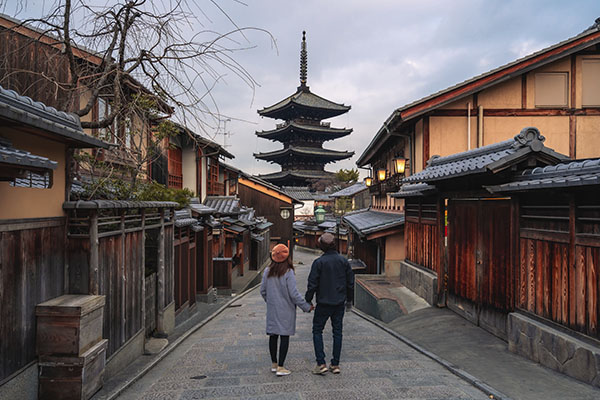
Choosing between Bagan and Kyoto is like choosing between the past and eternity. Both cities live to the rhythm of temples and silence; both invite contemplation, but in different ways. Kyoto impresses with its sophistication and order, Bagan with its freedom and space. One city is like a perfect watercolor landscape, the other like an ancient fresco faded by the sun.
First impressions
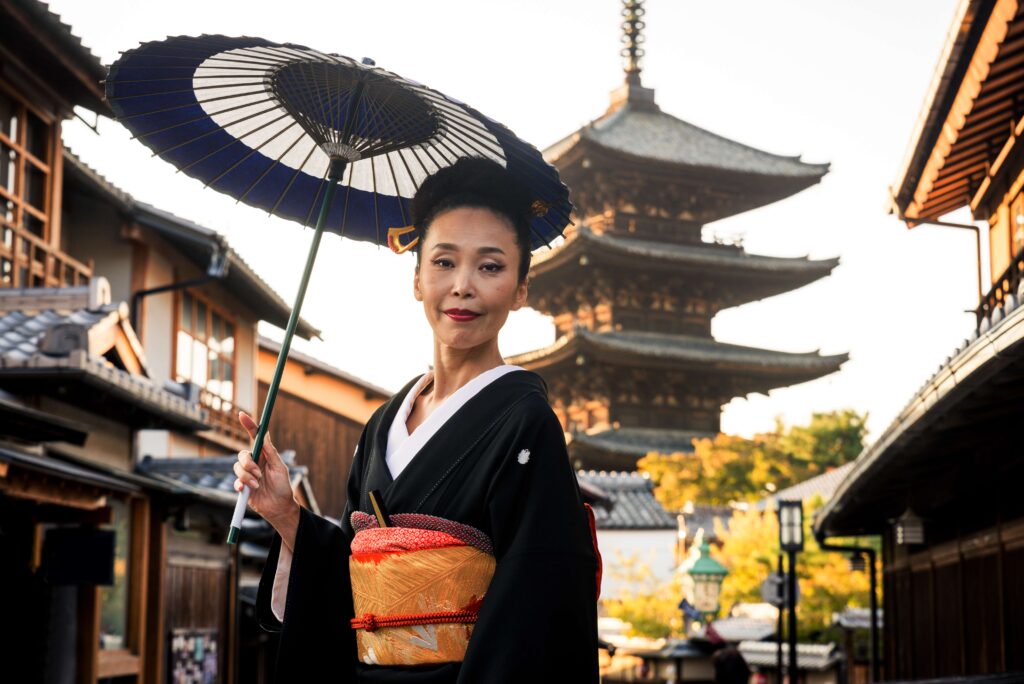
Kyoto is the heart of Japan. Here, ancient pagodas are hidden between the glass facades of business districts, and geisha walk through narrow streets like heroines of the Edo period. Kyoto gives the impression of a living museum, where every element is brought to aesthetic perfection.
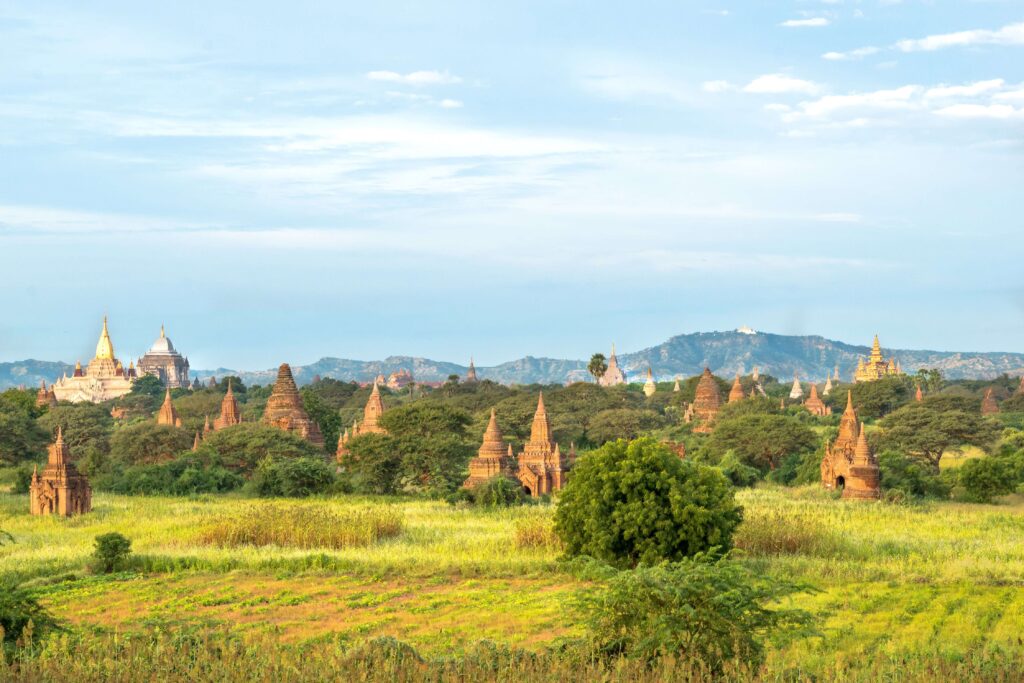
Bagan, on the other hand, has stopped in time. Thousands of temples, stupas, and ruins are scattered across the plain, where dawn envelops everything in golden light. The city is silent, but in this silence, you can feel the power of centuries. Tourists climb observation towers to see the sun break through the fog, and this moment is remembered forever.
Prices and budget reality
For those choosing between these destinations, the price difference is significant. The average daily cost in Bagan is about $34, while in Kyoto it is $113. Even if your travel style is far from economical, Myanmar will allow you to feel generous: for the same amount that you would spend on lunch in Kyoto, you can spend a whole day in Bagan with breakfast, dinner, and a short excursion.
Accommodation reflects the same contrast. A night in a hotel in Bagan costs about $15 for a double room. In Kyoto, it’s $126. Of course, Japanese service and comfort levels are higher, but in terms of value for money, Myanmar looks much more attractive.
For travelers on a limited budget, Bagan is the perfect place to indulge in luxury and beautiful panoramic views of temples.
Food and flavors
Japan has long been considered a gastronomic paradise. Kyoto is no exception. Here you can try ramen, tempura, and kaiseki sets. And every detail will be done with exceptional precision. The average daily food budget is about $41. At the same time, the dishes often seem like works of art.
Bagan welcomes travelers differently. Street food reigns supreme here. Its basis is fragrant noodles, curry, fried vegetables, and sweet rice desserts. The average daily food cost is $10. Simplicity is compensated by taste. Sitting under palm trees and watching the sunset over the stupas, you realize that happiness can cost a cup of soup and a smile from the cafe owner.
Transportation and travel
Traveling around Kyoto is a pleasure in itself. The modern subway and neat buses run like Swiss clockwork. The average daily transportation cost is about $7.50. You can take an electric bike tour through the trails of Arashiyama or arrange an airport transfer. Everything is very convenient but expensive.
Bagan is the complete opposite of Tokyo. Time flows more slowly here, and transportation is an adventure in itself. Tourists often take electric bikes or tuk-tuks to visit the temples. The average cost is $3.50 per day. The roads are dusty, but the scenery makes every trip an event.
If Kyoto is an example of technological perfection, then Bagan is a school of patience and spontaneity.
Experiences
Kyoto delights with cultural events. Visiting temples, sushi-making workshops, sake tastings, walks in Gion. The average cost of entertainment is $13 per day. Tourists pay for quality and atmosphere, and Japanese precision turns every event into a refined ritual.
In Bagan, entertainment takes a different form. Here, spontaneity is valued. You can take a day cruise to Mandalay for $31, rent a tuk-tuk to travel to Mount Popa, or fly in a hot air balloon over the temples at dawn. The average tourist spends about $57 on excursions, but the level of excitement makes every dollar spent worthwhile.
If Kyoto offers cultural harmony, then Bagan is a visual shock.
Kyoto is a large city with a population of over a million, about 4,870 times larger than Bagan. It lives at a measured but modern pace. There are subways, cafes, museums, and festivals. The city breathes culture and tradition at the same time.
Bagan is a small settlement surrounded by silence. Its scale is measured by the number of temples (over 2,000). This landscape creates a feeling of infinity. Where Kyoto shines with architecture, Bagan impresses with space.
Cultural contrast
Kyoto exudes sophistication. Everything is subject to ritual: the tea ceremony, flower arrangements, the choice of words in conversation. Every movement contains respect for time and tradition.
Bagan embodies simplicity. The people here are open, friendly, and sincere. You can stop at a street vendor, talk about life, and feel the distance between locals and visitors disappear.
Where is the best place to relax
The choice depends on what you are looking for. If convenience, thoughtful service, and a rich cultural program are essential to you, Kyoto is the right choice. Here you will find comfort, safety, and inspiring aesthetics.
If you dream of traveling back in time, seeing the sunrise over ancient temples, and experiencing authentic Asia, Bagan will give you just that. There is less luxury here, but more freedom.
According to real tourists, a trip to Kyoto costs almost three times as much as one to Bagan. At the same time, the level of excitement and uniqueness of the experience is high in both places. Kyoto offers sophistication, while Bagan offers primal beauty. One city teaches you to admire perfection, while the other teaches you to see beauty in imperfection.
Choosing between them is like choosing between silk and cotton. The former is flawless, the latter is pleasant to the touch. And if you have the opportunity, it’s better to try both.
Comments are closed